
Qannoubin – The monastery of our Lady of Qannoubin

Deir Qannoubine monastery, Wadi Qannoubine, Lebanon

Other Details

دير سيّدة قنّوبين

Ouadi Qannoubine

Bcharre

North

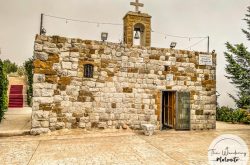
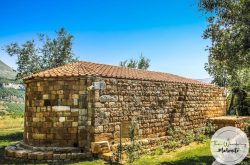
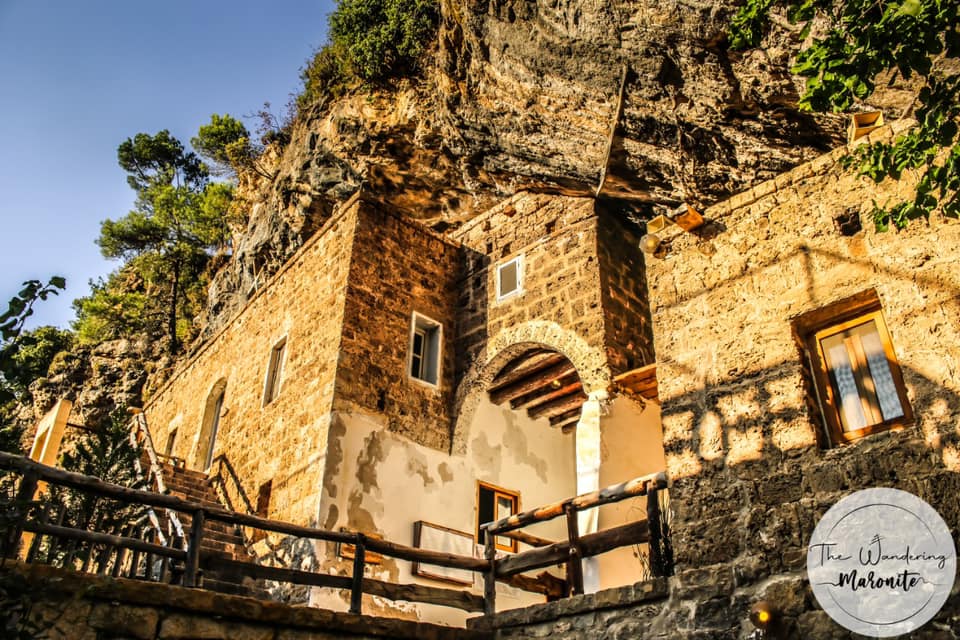
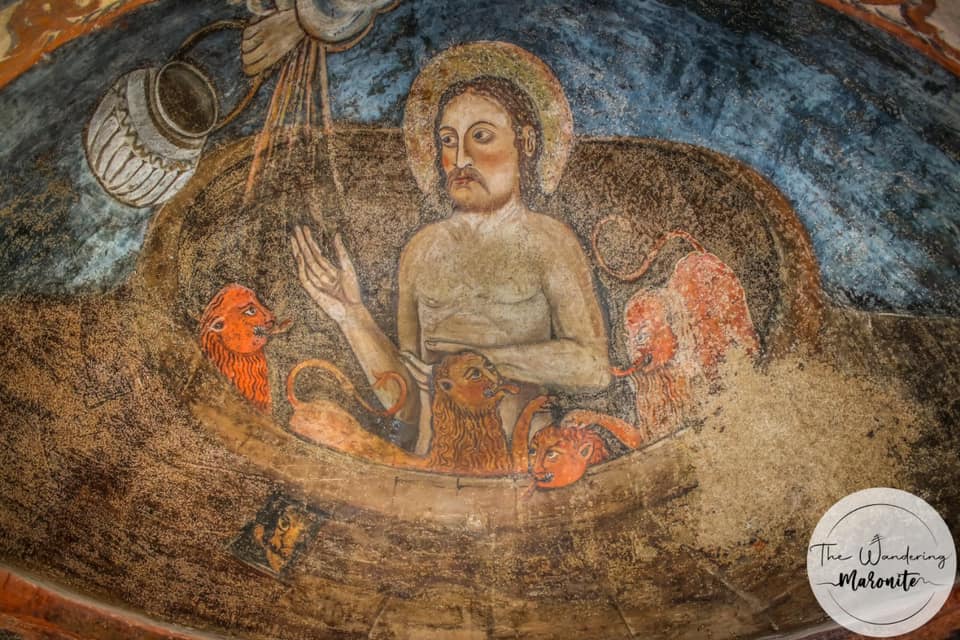
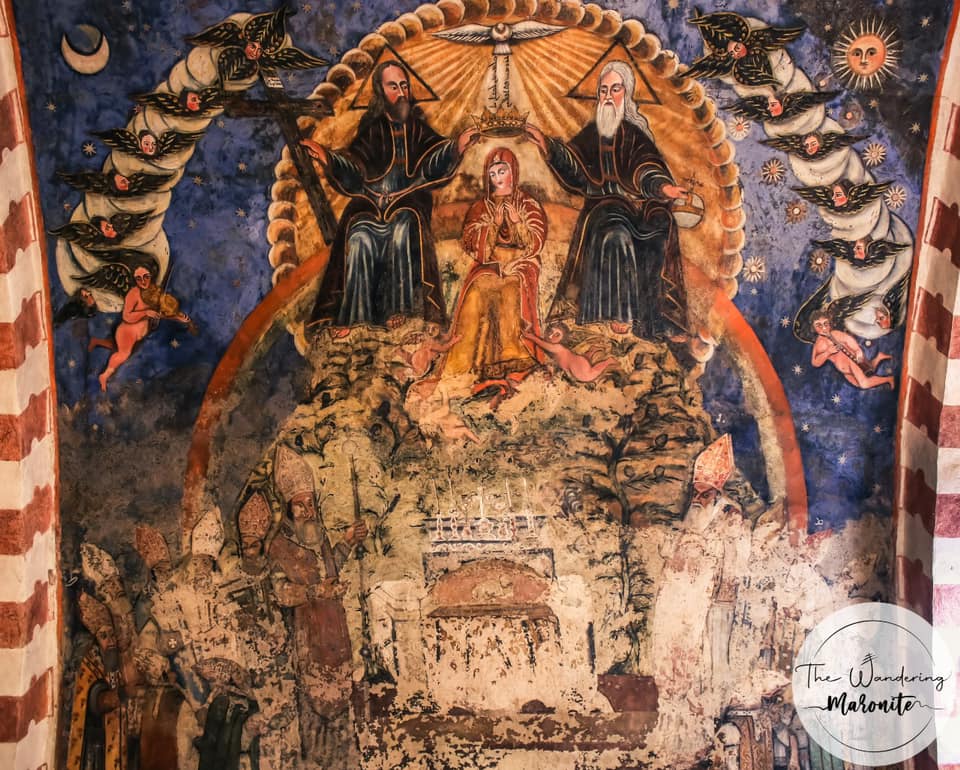
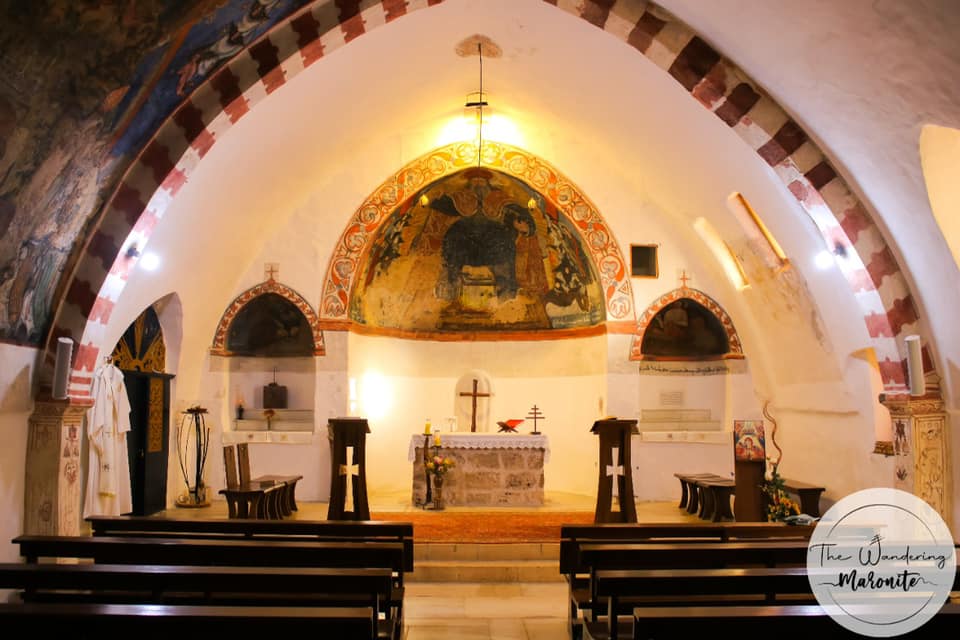
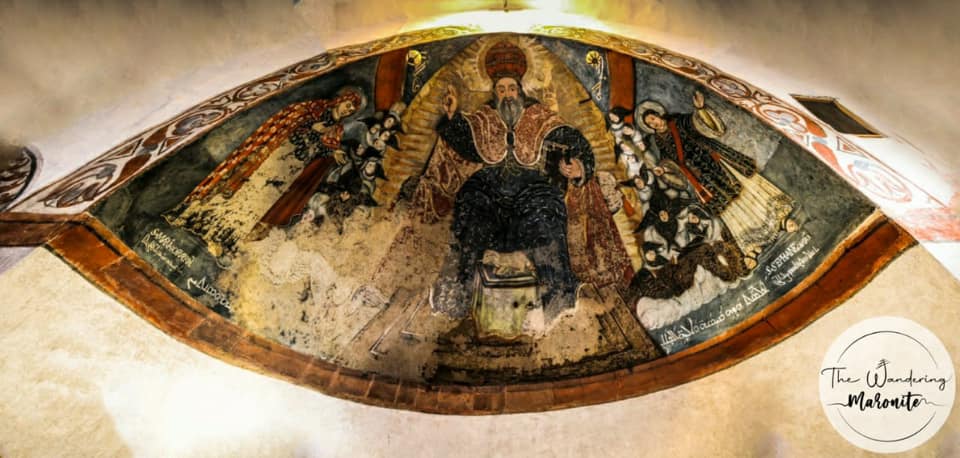
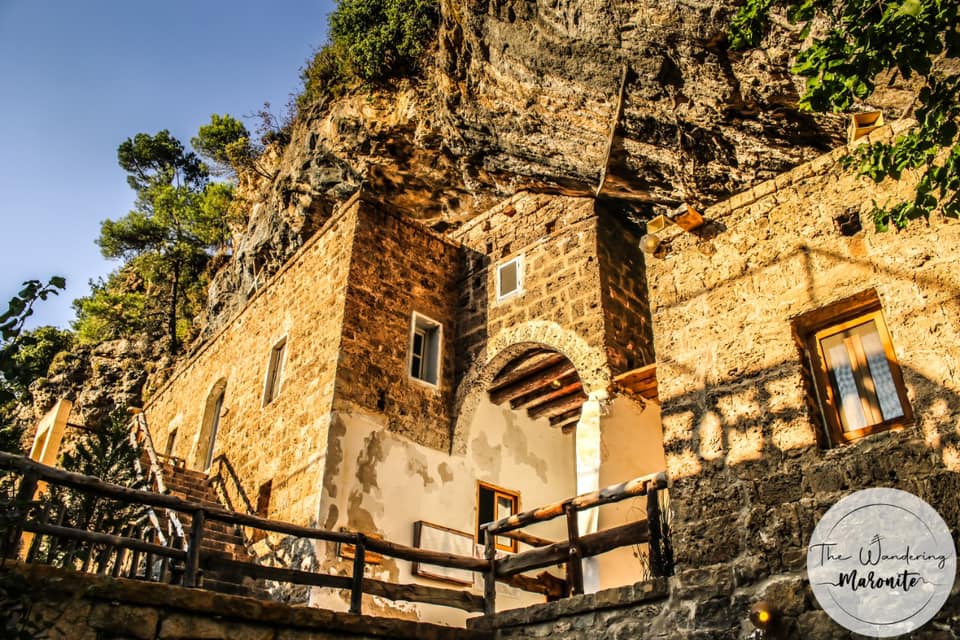
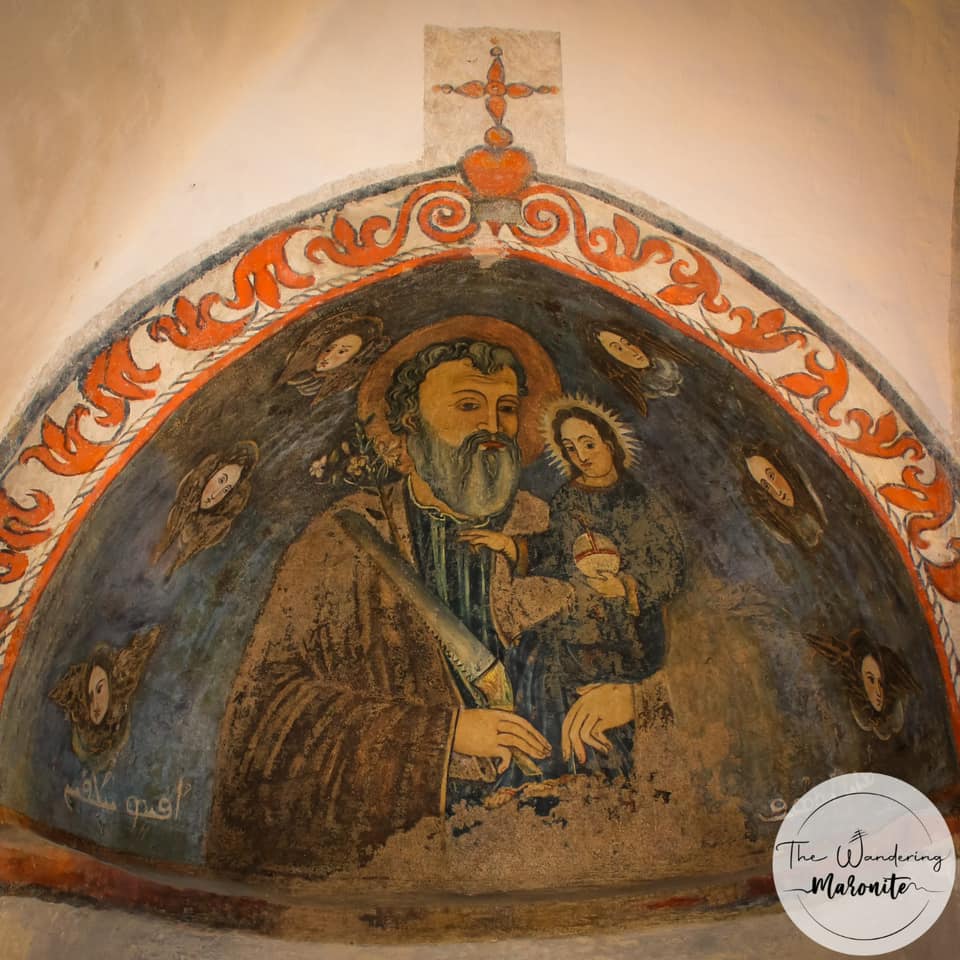
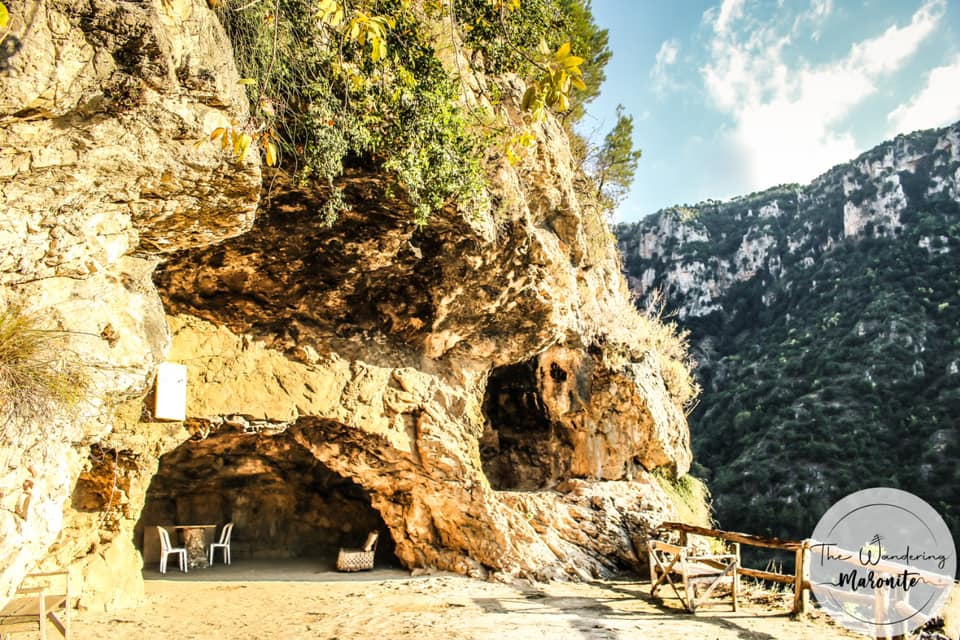
دير سيّدة قنّوبين - قنّوبينهو من أهمّ وأقدم الأديار الأثريَّة في الوادي المقدّس. كان الكرسيّ البطريركيّ للكنيسة المارونيَّة من القرن الخامس عشر حتَّى القرن التاسع عشر. أعطى اسمه لجزء من وادي قاديشا أي وادي قنّوبين، ومعناه من اليونانيّة الشركة.بحسب تقليد الكنيسة المارونيَّة، أسَّس هذا الدير تاودوسيوس الكبَّادوكيّ، في القرن السادس. أمَّا تقليد الكنيسة السريانيَّة الأرثوذكسيَّة فيذكر أنَّ الإمبراطور تاودوسيوس الأوَّل، في القرن الرابع، بنى كنيسة سيِّدة قنُّوبين. هذان التقليدان ليسا إلاَّ إثباتًا على قِدَم الدير وأهمِّيَّته بالنسبة إلى تاريخ الكنيسة في لبنان. يذكر التقليد أن القدّيسة مارينا سكنته وماتت ودفنت في المغارة المجاورة. إنتقل إليه البطريرك يوحنّا الجاجيّ على إثر تنكيل والي طرابلس بالموارنة. فأصبح مقرًّا بطريركيًّا.جداريّات الكنيسة الأساسيّة مرسومة على عدّة مراحل من القرن العاشر وصاعدًا. جداريّات المذابح: الشفاعة، مار يوسف ومار دانيال، وجداريّة تكليل السيّدة هي من عمل الراهب اللبنانيّ بطرس القبرصيّ.The monastery of our Lady of Qannoubin - QannoubinThe monastery is one of the most important religious sites for the Maronite church. Two traditions narrate its history both attesting the great history behind it: the Maronite tradition dates it back to the VIth century with Theodosius the Cappadocien. The Syriac tradition dates it back to the IVth century when the Byzantine emperor Theodosius the first built a church dedicated for the Madonna in Qannoubin.The frescoes of the main church were done layer over layer starting the Xth century up until the XVIth century when Boutros el Qobersy the Lebanese monk painted the three apses frescoes: the Deisis, St Joseph and St Daniel, and the frescoe of the coronation of the Virgin.

Visited 7619 times, 1 Visit today
Reviews are disabled, but trackbacks and pingbacks are open.

Related Listings

Zahle – The monastery of St. Anthony the great

Monastery of Saint Anthony the Great Zahleh Lebanese maronite order (saint antoine le grand), Zahlé, Lebanon

دير مار أنطونيوس الكبير

Zahlé Mar Antonios

Zahle

Bekaa

دير مار أنطونيوس الكبير - زحلة

تأسّس الدير في عام 1771 من قِبل مجموعة من الرهبان الموارنة الذين كانوا يسعون إلى إنشاء مكان للعبادة ل في قلب مدينة زحلة لخدمة المجتمع المارونيّ المحلي. نما دير القديس أنطونيوس على مرّ القرون في الحجم والأهميّة وأصبح مركزًا للعلم والروحانيّة. ورغم تعرّضه للحروب والغزوات والزلازل، إلّا أنه تم إعادة بنائه وترميمه عدة مرّات. تُعدّ كنيسة القديس أنطونيوس نقطة المحور في الدير، حيث تم بناؤها في منتصف القرن العشرين فوق الكنيسة الأصلية. ويتميّز الداخل بلوحات جداريّة رائعة ونوافذ زجاجية ملونة برسوم الفنان اللبناني أسعد رنّو. في الكنيسة مقام جانبي صغير مخصص للقديسة تيريزا. تشتهر مكتبة الدير كذلك بمجموعتها الضخمة من الكتب والمخطوطات والتحف القديمة. وبشكل عام، يُعدّ دير القديس أنطونيوس موقعًا ثقافيًا وروحيًا مهمًّا في زحلة، له تراث غنيّ يجذب الزوار من جميع أنحاء العالم.

The monastery of St. Anthony the great - Zahle

The monastery was established in 1771 by a group of Maronite monks with the intention of creating a place of worship and reflection for the local Maronite community in Zahle. Throughout the years, it has grown in both size and significance, developing into a hub for learning and spirituality. Despite experiencing wars, invasions, and earthquakes, the monastery has been reconstructed and renovated multiple times. The focal point of the monastery is the church of St. Anthony, which was built in the mid XXth century over the original church. The interior is decorated with stunning frescoes, stained glass windows created by the Lebanese artist Assaad Renno, and intricate altars. The church has a small lateral chapel dedicated to St. Therese of Lisieux. Another noteworthy feature of the monastery is its library, which houses an extensive collection of books, manuscripts, and ancient artifacts. Overall, the monastery is a significant cultural and spiritual site in Zahle, Lebanon, with a rich heritage that continues to attract visitors from all over the world.

Ehden – The monastery of St Moura

Saint Moura, Ehden, Lebanon

دير مارت مورا

Ehden

Zgharta

North

دير مارت مورا - اهدن

بحسب البطريرك الدويهيّ بني الدّير سنة ١٣٣٩. كان دير مرت مورا أوّل كرسي لمطرانيّة إهدن، قبل انتقالها إلى دير مار سركيس رأس النهر. سنة ١٦٩٥ أعطى البطريرك الدويهيّ الدّير لمؤسسي الرهبانيّة الحلبيّة اللبنانيّة ليختبروا قانونهم الجديد وحياتهم المشتركة، فانضمّ إليهم آخر ناسك عاش فيه وهو أنطونيوس الإهدني. سنة ١٦٩٨ انشقّ بعض الرهبان عن القرعلي وأسسوا رهبانيّة جديدة مع جبرايل حوّا في مارت مورا لم تدم طويلًا. يتألّف الدير من كنيسة ذات عقد سريريّ، وغرفة كبيرة ملاصقة. رُمّم الدّير سنة ١٩٨٣.

The monastery of St Moura - Ehden

According to Patriarch Doueihy the monastery was built in 1339, and was the first seat for the bishops of Ehden before they moved tho St Serge’s monastery. In 1695 Patriarch Doueihy gave the monastery to the newly founded Alepan Lebanese Order, so the founding fathers could experience their new monastic rule and communal life. The last hermit of the monastery Antonios el Ehdeny joined the order. In 1698 the first split in the order happened and some monks decided to start a new order with Gebrayel Hawa in Mart Moura. This second order didn’t persist. The monastery consists of a crib vaulted church with an adjacent room, and was restored in 1983.

Yanouh – The church of the Theotokos our Lady Mary

Church of Mary mother of god, Yanouh, Lebanon

كنيسة أم الله السيّدة مريم

Yanouh Jbayl

Jbeil

Mount Lebanon

كنيسة أم الله السيّدة مريم - يانوح

بعد محاولته العودة إلى أنطاكيا ورجوعه الى جبل لبنان سنة ٧٥٠، سكن البطريرك الرابع يوحنّا مارون الثاني و من بعده خلفائه البطاركة دير مار جرجس الأزرق يانوح لخمسمئة سنة إلى سنة ١٢٧٧. يُعزى ذلك بحسب المؤرخين لثلاثة أسباب : كون يانوح منطقة جبليّة عاصية، قربها من معبر المنيطرة القريب الى البقاع، وتقوى أهل يانوح بحسب البطريرك الدويهيّ. في القرن الثامن بُنيت كنيسة أم الله في الصرح البطريركيّ لجهة الشمال، وجدّدت في أيّام الصليبيّين. سنة ١٢١٥ صدر أمر البابا اينوشنسيوس الثالث الى الأساقفة الموارنة بالخضوع للبطريرك في كرسيّ يانوح. ضمّت هذه الكنيسة مخطوط إنجيل رابولا. بعد القرون الوسطى خرب الدّير والكرسيّ. رمّمت الكنيسة بسعي البطريرك بشارة بطرس الراعي وأعيد تكريسها سنة ٢٠١٧. تضمّ العرش البطريركيّ القديم، وعلى زواياها نقشت الصلبان المثنية الأطراف.

The church of the Theotokos our Lady Mary - Yanouh

After his failed attempt to go back to Antioch the fourth Maronite patriarch John Maroun II move his seat to the monastery of St George the blue in Yanouh in 1750. The patriarchal seat remained there for 500 years until 1277. The main reasons that Yanouh was chosen was because of the mountainous nature of the region, the closeness to the pass of Mneitra and to the region of Bekaa, and the locals piety described by patriarch Douwaihy. In the VIIIth century the church of the Theotokos was built north of the patriarchal seat, and renewed during the crusades. In 1215 an edict by pope Innocent III ordered the maronite bishops to obey the patriarch in the sear of Our Lady of Yanouh. This church held the Codex Rabbula. After the middle ages the church fell into despair, it was renewed by order of Patriarch Bechara Boutros el Rai in 2017 and reconsecrated. The church holds the old patriarcal throne and has two egged crosses on the four sides of the structure.